Featured

Table of Contents
While basic telephone contact was when the standard, financial obligation collectors now use mobile phones, social networks, text messaging and email. Here is a list of examples of how debt collectors can break FDCPA rules: Usage of danger, violence or other criminal methods to harm an individual, reputation or propertyUse of obscene or profane languageFalse representation that the financial obligation collector represents a state or federal governmentMisleading information on the quantity or legal status of a debtFalse ramification that financial obligation collector is an attorney or police officerImplication that nonpayment of a debt will result in arrest or imprisonmentCausing a telephone to ring repeatedly with intent to annoy, abuse or harassPublishing lists of individuals who decline to pay their debtsCalling you without informing you who they areThreats to do things that can not lawfully be doneThreats to do things that the debt collector has no intent of doingTalking to others about your financial obligation (other than a spouse)Can not collect interest on a debt unless that remains in the contractThreats to take, garnish, attach, or sell your property or salaries, unless the debt collection agency or lender means to do so and it is a legal actionUsing pre-recorded, automatic or auto-dialed calls because of the Telephone Customer Protection Act (TCPA)If any of these use to your case, alert the debt collector with a licensed letter that you feel you are being bugged.
Debt collection agency are infamous for breaching the rules against constant and aggressive telephone call. It is the one location that causes one of the most controversy in their company. Be sure to keep a record of all communication in between yourself and financial obligation collectors and to interact only via writer correspondence where possible.
More calls are permitted in between 8 a.m. and 9 p.m., however with really extreme limitations suggested to safeguard personal privacy. The collection company need to identify itself whenever it calls. It might not call the consumer at work. It might just call the consumer's friend or family to obtain accurate information about the customer's address, phone number and place of work.
The very first move is to request a recognition notice from the debt collector and after that await the notice to get here. Agencies are needed by law to send you a validation notification within five days. The notice must tell you how much money you owe, who the original lender is and what to do if you don't believe you owe the money.
Housing and Debt Counseling for Homeowners in 2026
A lawyer could compose such a notification for you. The customer can employ a lawyer and refer all phone calls to the attorneys. When the collection company receives the licensed Cease-and-Desist letter, it can't call you except for two factors: First, to let you know it received the letter and will not be calling you once again and second, to let you know it means to take a specific action versus you, such as submitting a claim.
It merely suggests that the debt collector will have to take another path to make money. Debt collectors can call you at work, but there are particular constraints on the details they can obtain and a simple method for customers to stop the calls. If your employer does not allow you to get individual calls at work, tell the debt collector that and he should stop calling you there.
If they do, they have actually broken your rights and you might contact a lawyer to file a complaint. They may request for your contact information, indicating your contact number and address and verification of employment. They can't discuss the financial obligation with your companies or co-workers. If the debt collector has actually won a court judgment versus you that includes consent to garnish your wages, they might call your employer.
If the financial obligation collector calls repeatedly at work to harass, frustrate or abuse you or your co-workers, record the time and date and contact a lawyer to discuss your rights. It's possible the debt collector called your office by mistake since they were provided the wrong contact information. If this occurs, inform them that you are not permitted to take calls at work and follow up with a qualified letter to reinforce the point.
If they continue to call you at work, make a note of the time and date of the calls and present them to a legal representative, who could bring a suit versus the collection firm and recuperate damages for harassment. It is difficult to define precisely how lots of calls from a financial obligation collector is thought about harassment, however keeping a record of calls helps to make your case.
Comparing Top Debt Settlement Options in 2026
Hiring an attorney or sending out a certified letter to the debt collection agency must stop harassing telephone call, however there is lots of proof that it does not constantly work. One factor is that collection companies can resume calling you if you don't react to the recognition notice they send out after the first call.
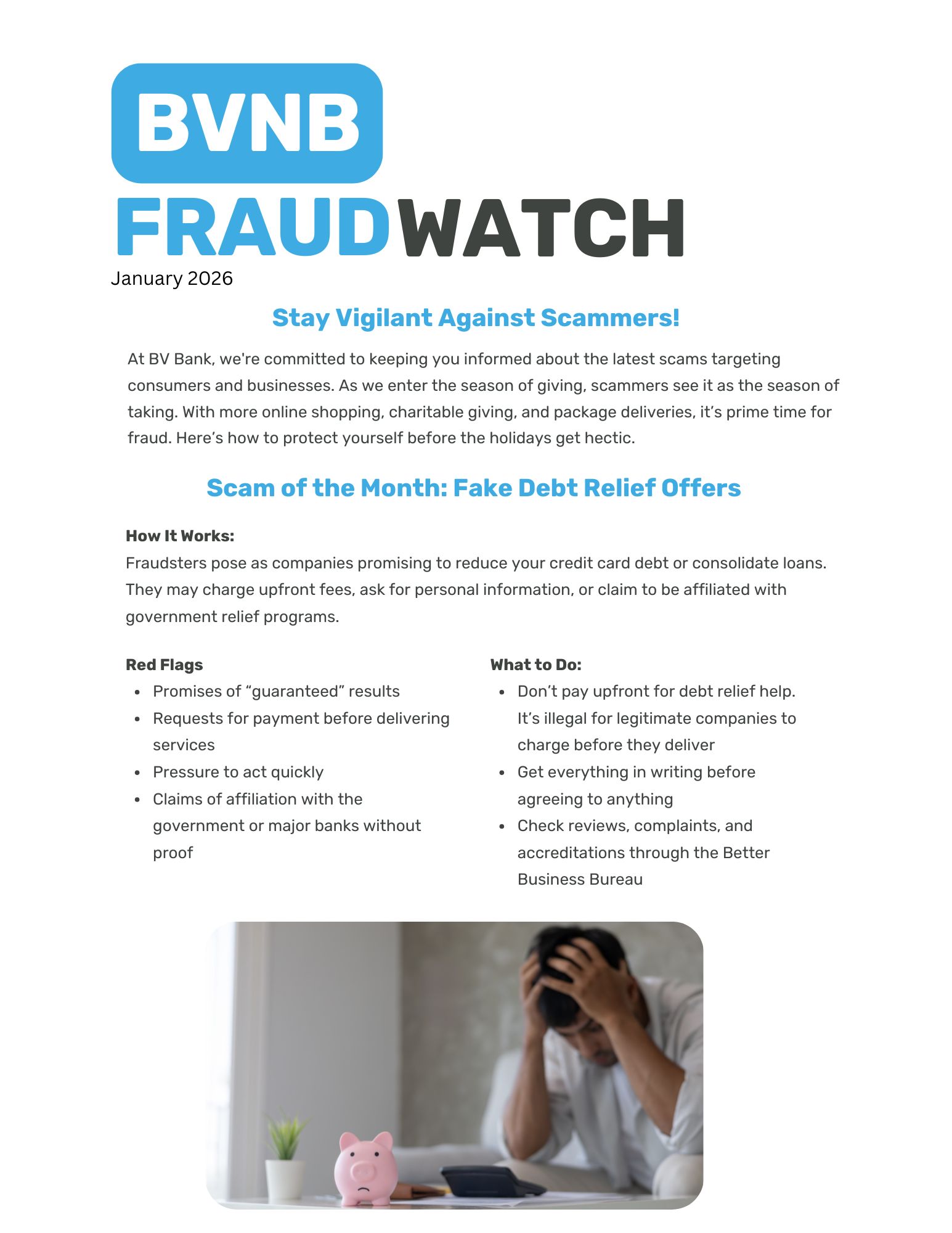
If a debt collection agency sends out verification of the debt (e.g. a copy of the expense), it may resume calling you. Already, it's time to notify the debt collection agency that you have a lawyer or send a cease-and-desist letter, however even then, the phone might keep ringing. Your next action might be to file a problem about the financial obligation collector's offenses with the Federal Trade Commission (FTC), the Customer Financial Defense Bureau (CFPB) and your state attorney general of the United States's workplace.
You might be asked if you have actually paid any money and just how much, along with actions you've taken and what a fair resolution would be. If, after filing a problem, you may select to sue the financial obligation collector. If you suffered damages such as lost earnings, the goal of your claim ought to be to gather damages.
Accessing Legitimate Public Financial Relief in 2026
A collection firm likewise can sue you to recuperate the cash you owe. Although the law regulates the behavior of debt collectors, it does not discharge you of paying your debts. Don't ignore a lawsuit summons, or you will lose your chance to present your side in court.
It would assist if you tape-recorded the call, though laws in the majority of states say you must recommend a caller before taping them. It likewise is recommended to conserve any voicemail messages you get from debt collection agency along with every piece of written correspondence. Let the debt collector understand you plan to utilize the recordings in legal proceedings against them.
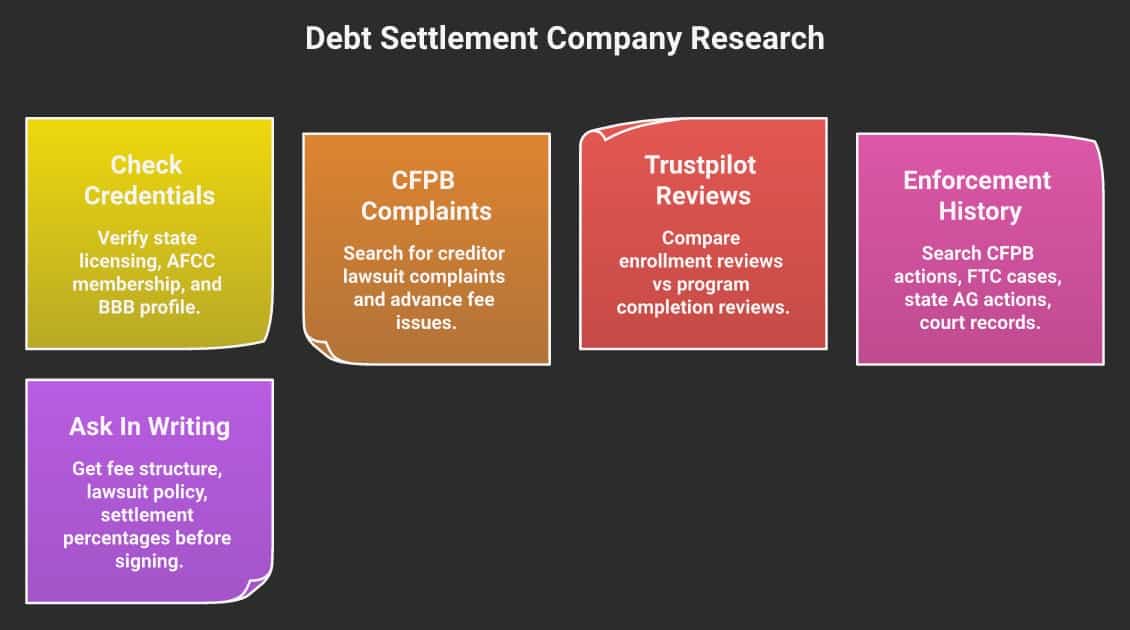
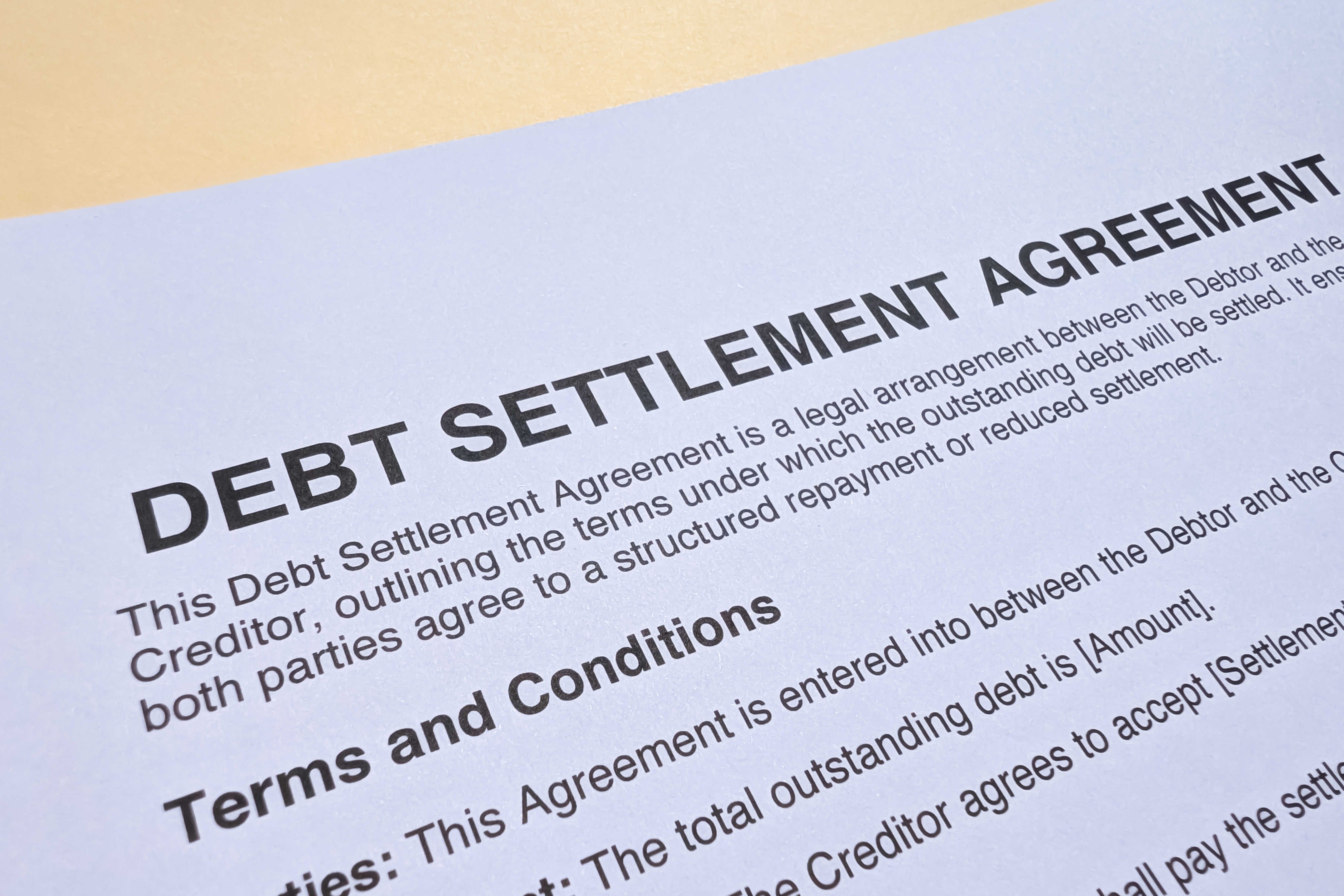
In some cases, they may cancel the debt to avoid a court hearing. They likewise may use to lower the amount they will accept in order to settle. If so, make certain the offer remains in writing and specifies the specific quantity to be paid. Request that the settlement deal include a promise to remove the costs from your credit history so that it no longer has a negative effect on your credit score. Do not disregard financial obligation collectors, even if you believe the debt is not yours.
The finest option might be to go back from the adversarial relationship with the financial obligation collection company can find commonalities with initial lender. Solutions might consist of: Organizing financial obligation into a more sensible payment program benefits the company as well as the consumer. These (often non-profit) business train counselors to help find alternative methods of solving financial obligation.

Latest Posts
Qualified Insolvency Counseling for 2026 Debtors
Seeking Expert Financial Support in 2026
Seeking Professional Insolvency Support in 2026